<!DOCTYPE html>
Getting Same Day AC Service Near City Springs and Morgan Falls | AC Repair Sandy Springs GA
Getting Same Day AC Service Near City Springs and Morgan Falls
Residents and facility managers in Sandy Springs know Georgia humidity. When the AC blows warm air on a 92-degree day with dew points in the 70s, comfort fails fast. The good news is simple. A trained HVAC contractor can restore cooling the same day if the diagnosis is fast and the truck is stocked. One Hour Heating & Air Conditioning serves Sandy Springs with rapid response near City Springs and Morgan Falls. The team focuses on punctual AC repair, clean technical work, and communication that respects a busy schedule.
Same-Day AC Repair Built for Sandy Springs Schedules
City Springs life moves fast. Meetings at the Performing Arts Center and school drop-off near Mount Vernon come first. That is why an AC repair service must hit promised arrival windows along GA-400 and Roswell Road. One Hour Heating & Air Conditioning uses local dispatch and GPS routing to meet the "Always On Time Or You Don’t Pay A Dime" guarantee. The fleet stages near the Perimeter Center and Downtown Sandy Springs to cut drive time during afternoon storms and rush-hour backups.
Service covers the high-rises near City Springs, modern condos off Hammond Drive, and single-family homes in Riverside and Huntcliff. Teams work both Inside the Perimeter and Outside the Perimeter. Zip codes include 30327, 30328, 30338, 30342, 30350, 31150, and 31156. Nearby zones like Buckhead, Dunwoody, Roswell, Brookhaven, and Vinings get support when schedules allow. The primary focus remains Sandy Springs and the neighborhoods near Morgan Falls Overlook Park, Steel Canyon Golf Club, and Heritage Sandy Springs.
Why AC Blows Warm Air Near City Springs and Morgan Falls
The symptom sounds simple. Supply vents push lukewarm air even with a 72-degree setpoint on a smart thermostat. The root cause can be a minor airflow restriction or a compressor control fault. Georgia humidity makes weak cooling feel worse. Here are the most common reasons seen in Sandy Springs homes and small commercial spaces along the corporate corridor.
Low refrigerant mass flow reduces heat transfer. Many systems here run R-410A. A small leak near a flare fitting or evaporator U-bend lowers suction pressure. The evaporator coil runs too cold and can frost. Airflow drops and the coil can freeze. After thaw, the system only moves warm air until refrigerant levels stabilize. A certified tech must find the leak with nitrogen pressure testing and an electronic detector. A simple top-off without repair shortens compressor life and fails EPA standards.
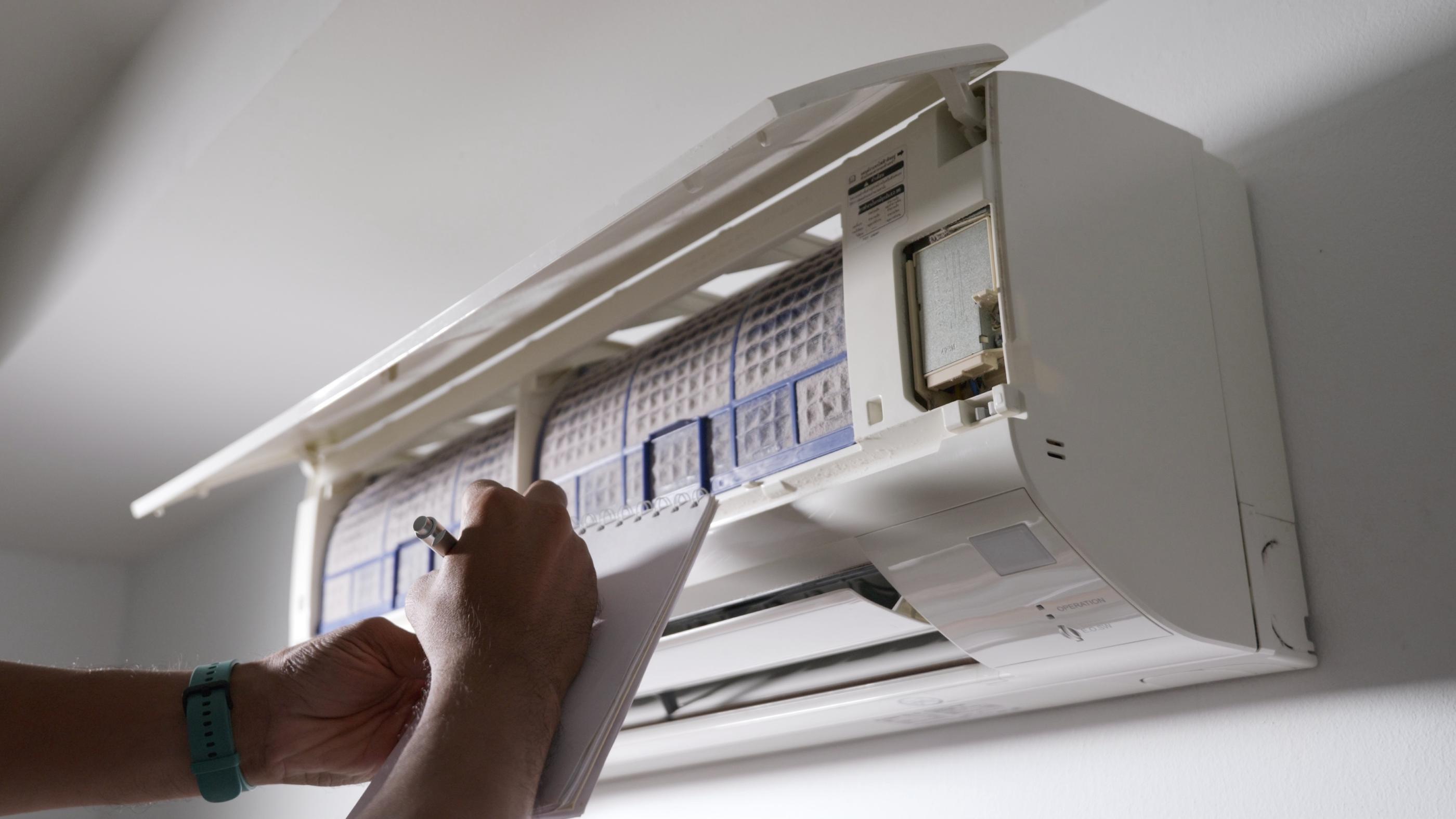
Dirty evaporator coils are common in older North Springs duct systems and in condos with limited filter access. A matted coil insulates the fins and raises the superheat. Supply air warms up. The fix requires coil cleaning with an approved alkaline or neutral foaming agent. A pro shields the condensate pan and checks the trap for biofilm. In high humidity, a clogged trap can cause pan overflow and a system lockout.
Failed run capacitors and pitted contactors stop outdoor compressors and condenser fan motors from starting. The indoor blower still runs. Vents feel warm. This is a frequent call during late afternoon storms near Morgan Falls, when power dips stress start circuits. Stocked work vans carry high-quality run capacitors and contactors to resolve AC electrical failures in one visit. A good tech also checks voltage drop under load and examines the wire lugs for heat marks.
Stuck or miscalibrated Thermal Expansion Valves limit refrigerant flow. This shows up as low suction, high superheat, and poor capacity. Homeowners near City Springs often see this with variable-speed systems that run long cycles at low capacity. A tech balances airflow and subcooling to confirm the TXV fault. Replacement must match tonnage and refrigerant type and requires a clean brazed joint with nitrogen sweep to protect the orifice.
A clogged condensate drain can trigger float switch safety circuits. The indoor unit shuts down, while the smart thermostat still appears online. Many Sandy Springs builds include air handlers over finished spaces. A float switch protects the ceiling drywall. Clearing the blockage and treating the trap with an EPA-approved pan tablet restores flow. Good practice adds an external cleanout and a proper P-trap with vent per code.
Finally, incorrect thermostat programming or loose low-voltage wiring can hold a system in fan mode. Smart thermostats in newer condos near City Springs sometimes get set to circulate only. A pro checks staging, heat pump lockout, and the dehumidify setpoint. Wiring labels must match the board terminals on the air handler and the condensing unit. Static pressure and blower speed also matter. Too low a tap on an ECM motor will overcool the coil and cause freeze-ups even with correct charge.
Appliance Types Found in Sandy Springs Homes and Condos
Central air conditioners dominate in Riverside and High Point. Heat pumps serve many townhomes along Roswell Road due to year-round efficiency. Ductless mini-splits appear in finished basements and sunrooms that face the river. Inverter AC systems and variable-speed heat pumps appear in higher-end builds and luxury renovations near City Springs and Perimeter Center. Many recent installations meet SEER2 standards, which change system airflow and charge targets. A tech trained in SEER2 diagnostics sets the right airflow per ton and verifies expansion device behavior at partial load.
Older R-22 units still appear in a few 30350 properties, but most recent replacements run R-410A. Some high-efficiency systems now use R-32 or R-454B in new lines. EPA Universal certification is a must for handling any refrigerant. Proper recovery and scale accuracy protect the environment and keep performance stable.
Component-Level Failures That Cause Warm Air
Compressors work hard in Georgia heat. Short cycling from a weak start capacitor can overheat windings. After a hot soak in an unshaded pad near Morgan Falls, a marginal compressor may trip on thermal overload. A trained tech measures LRA, checks megohms to ground, and confirms the start relay operation. If a compressor shows grounded windings, replacement or a system change-out becomes the safe path. Variable-speed compressors in inverter systems need a different approach. DC bus voltage, communication signals, and inverter board health must be verified before condemning the compressor.
Condenser fan motors pull heat off the outdoor coil. A slow or seized motor raises head pressure. The system throttles or shuts down. Capacitor match and blade pitch matter. Installing the wrong microfarad rating invites repeat failure. A pro also inspects the motor harness and checks for moisture intrusion, which is common after heavy rain near the Abernathy Greenway Park corridor.
Evaporator coils face two threats. Dirt reduces airflow. Formicary corrosion can cause micro leaks over time. If a coil shows oil staining or UV dye, replacement with a coil rated for the refrigerant and a new filter drier is needed. A tech pulls a deep vacuum below 500 microns and verifies decay. Moisture in a system forms acids and will corrode valves and windings. That shortens the life of a compressor and the TXV.
Thermal Expansion Valves and fixed orifices set refrigerant flow to match the load. A sticky TXV starves the coil. A failed bulb clamp gives false readings and sends the valve full open. The result swings suction pressure and superheat. Supply air temperature drifts. Lukewarm air follows. Correct attachment and insulation of the bulb on the suction line is critical. The valve must be sized to tonnage and oil type. Brazing requires a nitrogen sweep to prevent internal scale.
Run capacitors and contactors control start and run circuits. A pitted contact surface creates heat and low voltage to the compressor. That shortens its life. Technicians carry contactors that match coil voltage and FLA. They torque lugs to spec and check for arc burns. A quality run capacitor with the exact microfarad rating stabilizes motor torque during peak load near 5 p.m. On 30328 summer days.
Air handlers in condos and newer estates may include ECM blower motors. An ECM with a failed module can still spin at low speed. Airflow falls short. Coils freeze and vents blow warm. Proper diagnosis includes static pressure readings, CFM calculation, dip switch review, and board firmware checks. Replacement should match the motor module type and programmed profile. A mismatch forces noisy ducts and poor dehumidification.
Brand Expertise from Mass Market to Luxury Systems
Sandy Springs homes use a wide range of brands. Service trucks carry OEM or approved parts for Trane, Carrier, Lennox, Rheem, Goodman, Amana, and Bryant. High-end homes near City Springs and Huntcliff often run Mitsubishi Electric ductless systems or Daikin inverter platforms. Many estates install Trane XV20i variable speed systems for quiet operation and steady humidity control. NATE-certified technicians diagnose both single-stage and modulating systems without guesswork. That keeps warranties valid and protects equipment value.
Certified Mitsubishi Electric mini-split diagnostics help with localized cooling in glass-heavy sunrooms or above-garage suites. Wall mounts and concealed duct units each have unique drain and refrigerant line needs. Leak checks and board diagnostics differ from standard split systems. A trained tech checks communication codes, fan speed tables, and drain pump behavior before changing parts.
Local Load Realities: ITP and OTP Microclimates
Riverside homes near the Chattahoochee River see higher evening humidity. Systems need strong latent removal. That requires proper airflow per ton. Many homes run best at 325 to 375 CFM per ton. Perimeter Center condos face high internal loads from glass and electronics. Variable-speed systems shine there with long, low-speed cycles. North Springs properties with older ductwork often have static pressure issues. A quick filter swap is not enough. Balancing dampers and duct corrections may be needed to stop hot rooms over garages.
Shade and pad placement near Morgan Falls Overlook Park matter. If a condenser sits in a mulch bed with poor airflow, head pressure climbs. Coil cleaning and a simple fence adjustment can drop condensing temperature by several degrees. That small gain shows up as cooler vents and lower run time during rush hour.
Responding Fast Near GA-400 and Roswell Road
Same-day repair depends on access and parts. Local stocking near City Springs covers common components such as capacitors, contactors, condenser fan motors, universal relays, filter driers, TXVs for popular tonnages, and smart thermostat modules. Technicians test with digital manifolds, measure target superheat or subcooling, and verify line temperature with fast-response clamps. If a part is rare, local vendors near the Perimeter Mall area often have it. A runner picks up the item while the tech keeps the system safe and preps for install.
Emergency cooling service remains available 24 hours for true outages. This helps with infants, elder care, or critical home office needs. A dispatcher updates ETAs in real time. The field tech provides options with upfront prices. Work proceeds only after approval. That process saves time and reduces stress.
Indoor Humidity Control as a Core Metric
High indoor humidity feels like warm air even with a steady setpoint. Many Sandy Springs homes target 45 to 55 percent relative humidity. A system must run long enough at proper airflow to pull moisture from the coil. Oversized units short cycle and miss dehumidification. Variable-speed compressors and ECM blowers help. A dehumidify on demand setting can drop blower speed when humidity is high. That increases coil contact time. A trained tech also checks the condensate line fall, trap design, and secondary drain switch to maintain consistent drainage.
Smart thermostats need correct dehumidify wiring. Some use a dedicated DHUM terminal to signal the air handler. If wiring is wrong, the blower will not slow during a humidity event. That feels like warm air. A Sandy Springs tech who knows these controls can fix this in one visit. The tech will confirm firmware updates and staging logic, then test a dehumidify cycle with a meter on blower amperage.
Diagnostics That Protect the Compressor
Georgia heat punishes weak charge and poor airflow. Protect the compressor by verifying the basics in a set order. Confirm filter condition and blower speed. Measure static pressure supply and return. Read suction and liquid pressures, then log superheat and subcooling. Compare readings to manufacturer charts. If the system has a TXV, expect stable superheat with variable load. If it has a fixed orifice, target superheat rules. A tech in Sandy Springs keeps these numbers simple and clear, then explains the path to steady cold air in plain language.
Electrical diagnosis uses a clamp meter and a megohmmeter when needed. Test amperage on the compressor and condenser fan motor. Check the run capacitor value under load. Verify contactor coil voltage and check for pitting. If the breaker trips, check insulation resistance to ground. If the numbers show a failing motor, discuss replacement vs. Repair with a timeframe. For many homeowners near City Springs who travel often, the reliable option that reduces future visits wins out.
What Makes a True Same-Day Fix Possible in Sandy Springs
The difference comes down to preparation. NATE-certified technicians arrive with parts that match the most common failures. The company invests in truck stock that fits Trane, Carrier, Lennox, Rheem, Goodman, Amana, and Bryant. There are kits on board for Mitsubishi Electric and Daikin mini-splits. EPA Universal certified staff handle R-410A and other refrigerants with proper recovery cylinders and digital scales. GA Conditioned Air License Class II coverage means complex systems and larger tonnage are within scope. Background checked techs protect family and property during evening calls.
Repair quality matters in multi-story condos near City Springs. A brazed joint in a tight chase needs skill and fire safety steps. A tech uses heat blocking paste and a flame shield. Nitrogen flows through the line set during brazing to prevent oxidation. After a pressure test and vacuum verification, the tech weighs in charge by the plate. The final step confirms subcooling at a stable indoor temperature. This process delivers predictable results on a first visit in 30328 and 30350 service calls.
Real-World Cases Near City Springs and Morgan Falls
In a 30328 condo near City Springs, a homeowner reported warm air at 7 p.m. The indoor blower ran. The outdoor unit was silent. The technician found a failed contactor with heat marks from arcing. The capacitor tested low. Both parts were replaced. Voltage drop was corrected with a tightened lug. The system cooled within minutes. Supply temperature dropped to 56 degrees under a 73-degree setpoint with 50 percent indoor humidity.
In a Riverside estate, the system short cycled every five minutes. The compressor hit high head pressure due to a condenser coil packed with grass clippings and pollen. After a safe chemical wash and a rinse with controlled water pressure, head pressure dropped. The fan blade showed a pitch mismatch from a past repair. It was replaced with the correct blade. The home reached setpoint and held humidity under 55 percent despite a river breeze that night.
At a townhome near Morgan Falls Overlook Park, a finished basement ductless unit dripped water and blew humid air. The drain pump failed. The tech replaced the pump, leveled the wall unit, and flushed the line. The electronics were tested for communication errors. The mini-split returned to silent, dry cooling within an hour.
Preventing Repeat Warm Air Events
Prevention is cheaper than a weekend emergency call. Regular HVAC diagnostics and light maintenance keep performance tight. Filters need proper MERV ratings. Too high a MERV starves airflow in older returns. Coils need cleaning based on use and environment. Outdoor units near landscaping need monthly visual checks. Smart thermostat settings need a yearly review to align with changes in family schedules or work-from-home hours. A trained tech in Sandy Springs sets dehumidify logic, blower profiles, and reminders for filter changes within the app.
For high-efficiency SEER2 units, annual service is essential. These systems rely on correct external static pressure and clean coils to achieve rated capacity. Variable-speed equipment reacts to small problems. That can hide issues until a peak heat day triggers a shutdown. Logging pressures, temperatures, and CFM each year establishes a baseline. Deviations point to problems before warm air returns.
Homeowner Quick Checks Before Calling
Some checks save time and cut diagnostic costs. Try the following while help is on the way. If anything looks unsafe, stop and wait for a technician.
- Confirm the thermostat is set to Cool and not Fan Only. Check the schedule and hold settings.
- Inspect the return filter. Replace if dirty. Make sure the panel is sealed.
- Look for ice on the refrigerant lines at the outdoor unit. If present, turn the system Off and set the fan to On to thaw.
- Check the breaker and any outdoor disconnect. Reset once if tripped. Do not repeat resets.
- Verify the condensate safety switch is not tripped. If it is, do not bypass it. Wait for service.
What to Expect During a Professional Visit
The technician arrives in a marked van on time. After a short walk-through, the tech measures supply and return temperatures. Filter size and condition are noted. Static pressure is read at test ports. The outdoor unit is inspected for coil condition and electrical health. Pressures are recorded with a digital manifold. Superheat and subcooling are calculated. If electrical issues appear, capacitors and contactors are tested under load. If a refrigerant leak is suspected, nitrogen pressurization and electronic detection follow. If a drain issue is present, the line is cleared and trap geometry is corrected. The technician reviews findings, offers clear options, and completes the agreed repair the same day when parts are on the truck.
Pricing, Warranty, and Safety
Upfront pricing creates clarity. The customer approves the price before work begins. Repairs meet code and manufacturer specs to preserve warranties. All refrigerant handling follows EPA rules. All work is performed by background checked, NATE-certified technicians with a GA Conditioned Air License Class II. Homes and condos in 30327, 30328, 30338, 30342, and 30350 receive documents for the records, including readings and replaced parts. For high-rise properties near City Springs, building management rules and elevator schedules are respected to avoid delays.
Why Local Context Improves Repair Speed
Knowing Sandy Springs roads and buildings saves time. Access codes for parking garages near City Springs are on file when allowed. Crews plan around Northside Hospital shift change traffic. Dispatch routes around GA-400 ramp bottlenecks. Stock choices reflect equipment found in Riverside estates and Perimeter Center corporate housing. This local focus lowers callbacks and speeds up same-day cooling restoration in 30328 and 30350 homes.
Service Capabilities at a Glance
AC Repair Sandy Springs GA means complete support. The team handles central air repair, heat pump service, ductless mini-split fixes, and 24-hour emergency cooling. HVAC diagnostics cover frozen evaporator coils, short cycling, clogged condensate drain lines, faulty start capacitors, refrigerant leaks with R-410A, and noisy AC units. Component work spans compressors, condenser fan motors, TXVs, run capacitors, contactors, evaporator coils, air handlers, and smart thermostats. Precision component replacement prevents secondary failures like tripped breakers and cracked pans. The goal remains steady supply temperatures, safe humidity, and quiet operation.
Map Pack Signals That Matter for Homeowners
Visibility in local search helps when the AC fails at 8 p.m. Clear service areas listed for Sandy Springs with zip codes help identify nearby crews. Landmarks such as City Springs, Morgan Falls Overlook Park, Heritage Sandy Springs, and Steel Canyon Golf Club confirm local presence. Operating hours show 24/7 emergency dispatch. The "Always On Time Or You Don’t Pay A Dime" guarantee demonstrates accountability. Reviews mention punctuality, same-day fixes, and clean work. Photos show stocked vans near GA-400 and Roswell Road. All of this signals a real, local HVAC contractor who can reach a home fast and restore cooling.
A Practical Comparison: Repair vs. Replace
During peak summer, the right call is the one that restores comfort and protects long-term costs. For units under ten years old with a single failed part, repair often makes sense. For systems with repeat refrigerant leaks, compressor issues, and poor dehumidification, replacement may be smarter. Homes in High Point and Downtown Sandy Springs see energy gains with high-efficiency SEER2 units and variable-speed heat pumps. These systems reduce electric bills and keep humidity in check. A trained consultant can show load data and runtime estimates based on house size, insulation, and glass exposure. This avoids guesswork and helps owners plan budgets.
How Commercial and Mixed-Use Spaces Benefit
Perimeter Center and City Springs include mixed-use and small commercial spaces. These sites face strict comfort needs due to tenant schedules and equipment heat loads. Response time and correct staging matter. Central air systems with multiple stages need clean control wiring and relays. A failed stage causes the common warm air complaint at 3 p.m. On weekdays. Emergency cooling service prioritizes these calls due to loss risk. Teams carry common rooftop unit parts and belts when access allows. Work happens with proper safety measures and communication to building management.
Frequently Asked Technical Questions
Why does humidity stay high even after a repair? Often the system is oversized or airflow is set too high. A simple blower speed change and a dehumidify setting fix this. Why did the capacitor fail again? Cheap parts or heat soak near an unshaded pad can kill a weak capacitor. High-quality parts and correct microfarad ratings fix the pattern. Why do vents blow warm air only in the afternoon? Head pressure rises with sun load and dirty coils. Cleaning and correcting airflow solve it. Can a smart thermostat cause warm air? Yes, if set to Fan Circulate or if the dehumidify logic is miswired. A tech can correct this in minutes.
Service Radius: Every Corner of Sandy Springs
Coverage includes Riverside, Dunwoody Panhandle, North Springs, High Point, Downtown Sandy Springs around City Springs, Mount Vernon, Perimeter Center, and Huntcliff. Teams work near Heritage Sandy Springs, Steel Canyon Golf Club, Abernathy Greenway Park, Perimeter Mall, Northside Hospital, and Morgan Falls Overlook Park. Neighboring support extends to Buckhead, Dunwoody, Roswell, Brookhaven, and Vinings based on call volume. The core promise remains fast, punctual AC repair for Sandy Springs residents and businesses.
Simple Steps to Schedule a Same-Day Visit
- Call or book online and select AC Repair Sandy Springs GA.
- Share the address and landmark, such as City Springs or Morgan Falls.
- Describe the symptom and thermostat reading.
- Choose the arrival window that fits your day.
- Approve the upfront estimate and relax while the tech restores cooling.
Clear Signals of Professional Grade Service
One Hour Heating & Air Conditioning stands on punctuality and clean results. The "Always On Time Or You Don’t Pay A Dime" guarantee drives behavior. NATE-certified technicians bring discipline to diagnostics. EPA Universal certification ensures safe refrigerant handling for R-410A and other blends. GA Conditioned Air License Class II supports full-scope residential and light commercial service. Every tech undergoes background checks. The company shares job notes and readings that anyone can understand. This is what high-touch service looks like for established estates, modern luxury condos, and busy professionals along GA-400 and Roswell Road.
ductless ac repair Sandy Springs GA
Name: One Hour Heating & Air Conditioning
Address: 1360 Union Hill Rd ste 5f, Alpharetta, GA 30004, United States
Phone: +1 404-689-4168
Website: onehourheatandair.com/north-atlanta/areas-we-service
Find Us on Google: Google Business Profile
Social Profiles: Facebook | X (Twitter) | Instagram | Pinterest | YouTube